
I’m sure we’ve all heard of the infinite benefits of sitting down just 10-15 minutes a day and learning to meditate. I have always aspired to be the person who can sit for long periods of time in extended silence, but constantly swarming thoughts; endless to-do lists; and distracting environments once dissuaded me from practicing meditation.
Still, it seems that some of the most successful people make it a point to incorporate daily meditation into their lives. Oprah is well known for promoting daily meditation practice, even collaborating with spiritual teachers like Eckhart Tolle and Deepak Chopra. “‘Meditation is about getting still enough to know the difference between the voice and you,’ she reportedly says. It allows you to attain “’…a heightened state of being that lets whatever you’re doing be your best life, from moment to astonishing moment’” (Natale).
Even Katy Perry admits that transcendental meditation has helped her navigate the ups and downs of life, all while maintaining her success as an artist.
Hugh Jackman concedes that meditation helped him develop self-awareness:
“‘… Soon after I started meditating, I….was no longer just being reactive to events that came my way’” (Natale).
So what is it about meditation that makes it so life-changing? As someone who has only started meditating in the last year or so, I can say with firm conviction that consistency is key.
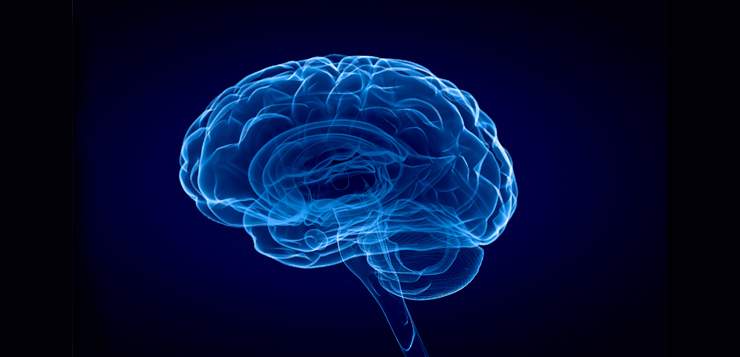
A study conducted by the NIH, suggests that meditation can induce neuro-plasticity, and help develop new circuits within the brain. This, in turn, can reduce age-related phenomena: such as Alzheimer’s and dementia; and help reframe negative thought patterns consistent with anxiety and depression.
The study focused primarily on Vipassana meditation: a type of meditation that focuses on open awareness and mindfulness. This is in direct contrast to intense concentrative styles of meditation.
Researchers used magnetocephalography, measuring the magnetic fields produced by electrical brain activity. The results were statistically significant, showing an array of new connections developing in the right hippocampus of the experimental group, as opposed to the control group. Thus, the study suggested that meditation can improve cognitive function, and serve as a preventative measure against degenerative disease.
Neuroimaging has revealed that brain connectivity changes as people continue to meditate; and daily practice can result in increased neuro-plasticity (Lardone).
This is great news, for self-improvement gurus, and novice meditators alike!
It shows that just by sitting in silence for a few minutes a day, we can begin to completely reform the way we think, process, and react to life situations, and our emotions.
Not only that, but there are a whole host of other benefits that accompany meditation as well. It has the ability to reduce blood pressure, increase attention span and self-control, combat addiction, and boost quality of sleep (Thorpe).
Its easy accessibility to people of all age-groups and backgrounds is an added bonus. Whether you are a young child, newly retired, or a single parent struggling to balance all aspects of life, meditation is available through various free, online platforms. One of my favorite apps, includes The Plum Village App. Developed by Vietnamese monk Thich Nhat Hanh, The Plum Village App, connects people to virtual talks, practical life meditations, and other resources. It is dedicated to delivering people the tools they need to live a happy and healthy life. After all, mental health and healing are not privileges. They are birthrights.
There are plenty of other meditation channels on Youtube that I am fond of. One of these is The Great Meditation Channel. This channel is amazing, because it tailors its meditations to specific life situations. Each meditation targets a certain aspect of oneself that may require healing, or attention. I also enjoy watching Sadhguru’s videos for positive reinforcement and spiritual insight.
The truth is, the only way to start meditation is to begin. At first it may seem difficult—the endless stream of consciousness that seemed normal, will be pervasive. But as you build the habit, you will begin to notice profound changes in your subconscious self-image, and psyche.
For those interested, this Ten Minute Self-Love Meditation is a great place to start. After just five days of daily practice, I felt enhanced gratitude and grace towards myself, and others. As Buddha said, “with our thoughts we make the world.”
Meditate, and you will begin to change it.
Sources-
Lardone, A., Liparoti, M., Sorrentino, P., Rucco, R., Jacini, F., Polverino, A., Minino, R., Pesoli, M., Baselice, F., Sorriso, A., Ferraioli, G., Sorrentino, G., & Mandolesi, L. (2018). Mindfulness Meditation Is Related to Long-Lasting Changes in Hippocampal Functional Topology during Resting State: A Magnetoencephalography Study. Neural Plasticity, 2018, 1–9. https://doi.org/10.1155/2018/5340717
Natale, N. (n.d.). 9 Highly successful CEOs and celebrities who practice meditation. EverydayHealth.com. https://www.everydayhealth.com/meditation/highly-successful-ceos-celebrities-who-practice-meditation/
Thorpe, M., MD PhD. (2024, August 15). How meditation benefits your mind and body. Healthline. https://www.healthline.com/nutrition/12-benefits-of-meditation#blood-pressure


Leave a Reply